
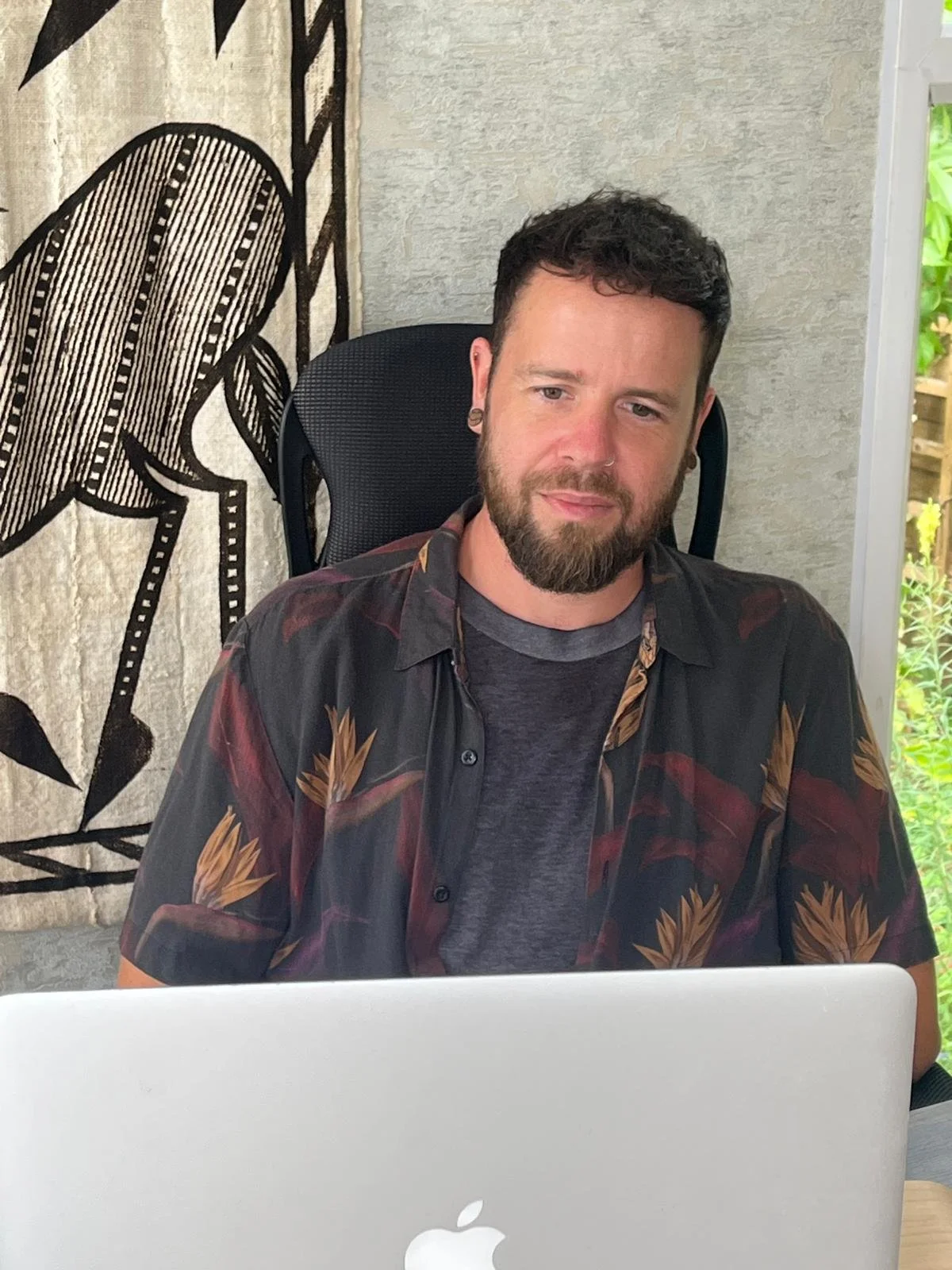
Hi, I’m Sam.
I am a fully qualified Psychosexual Therapist and Clinical Sexologist based in Kent/Sussex. I support individuals, couples and partners with concerns relating to sex, intimacy, relationships, identity, emotional connection and self understanding.
I recognise that conversations about sex and relationships can feel highly personal. For many people, even making the first enquiry can feel like a big step. You may be feeling anxious, embarrassed, confused, disconnected, overwhelmed, or uncertain about whether what you are experiencing is “normal”.
My role is not to judge or pathologise, but to offer a calm, confidential and professional space where you can begin to explore what is happening with care, honesty and respect.
My approach
I work in a warm, inclusive and collaborative way. Therapy is not about being told what to do, or being pushed into conversations before you are ready. It is a space where we can make sense of your experiences together, at a pace that feels manageable.
I am trained in the Pluralistic Approach. Pluralistic Therapy is a flexible, collaborative framework starting with the core idea that different clients need different things, and therapy works best through joint decision-making. Pluralism holds the belief that there is no single right way to therapy.
Psychosexual therapy often involves looking at more than one part of a person’s life. Sexual wellbeing can be closely connected to emotional wellbeing, physical health, identity, self esteem, past experiences, relationship patterns, communication, stress and the way we feel in our bodies.
Because of this, my work considers the whole person, not just a symptom or difficulty. Together, we can explore both what is happening for you and what may be contributing to it.
What I can support with
People come to therapy for many different reasons. You may have a specific sexual concern, a relationship difficulty, a loss of intimacy, questions around identity, or a sense that something feels blocked or hard to talk about.
I work with a wide range of psychosexual and relationship issues, below are some examples. If you do not see anything relevant to you listed here please don’t be concerned, the full coverage of issues I work with is extensive.
Erectile Function Problems
Vaginismus/Pain on Penetration
Low Arousal/Desire
Orgasm Problems
Delayed Ejaculation
Premature Ejaculation
Sexual Trauma and/or Shame
Genital Pain
Compulsive Sexual Behaviours (or Addictions)
Problematic Sexual Behaviour
Anismus/Anal Pain
Hormonal Imbalance (male & female)
Menopause
Mismatched Desire
Intimacy Issues
Relationship Issues
Ethical Non-Monogamy & Relationship Diversity
Psychosexual Education
Circumcision/Genital Cutting (male & female)
Pornography/Fantasy Concerns
Gender Identity & Gender Diversity
Sexual Orientation
Kink, Fetish & BDSM
Sexual Violence & Assault
Intrusive Sexual Thoughts
Sexual Offending
If you remain uncertain as to whether your are looking for support in the right place, I welcome you to book a free ten minute phone call consultation with me via my booking page.
Who I work with
My ethos is that I can and should be able able to hold space for every type of person. My practice is inclusive of all genders, sexual orientations, relationship structures, cultural backgrounds and lived experiences.
I work with individuals, couples and partners, including LGBTQ+ clients, neurodivergent clients, clients in consensually non monogamous relationships, and adults at different stages of life.
I work with clients that experience varieties of disability, whether that be physical, mental or learning.
I work with people from a variety of religious and cultural backgrounds and have spent significant periods of time living and engaging in cultures different to my own. This has enabled me to have a good understanding of how cultural and/or religious differences might be difficult to navigate when talking about psychosexual issues.
I also work with individuals who encounter Compulsive Sexual Behaviour and/or Problematic Sexual Behaviour, or those who have a history of sexual offences.
Qualifications and experience
I am a fully qualified Psychosexual Therapist and Clinical Sexologist.
I trained under The Contemporary Institute of Clinical Sexology (CICS) for three years, accredited by The College of Sex and Relationship Therapy (COSRT) and the British Association of Counsellors and Psychotherapists (BACP). I have years worth of clinical experience working with Sex Therapy Herts (STH) where I provided support to a diverse range of clients. Previous to this I have worked in a number of mental health and therapeutic related settings. I also spent a significant period of time working in the therapeutic rehabilitation of those experiencing Problematic Sexual Behaviours (PSB) and those convicted of sexual offences.
I hold full clinical insurance and regularly attend personal supervision.
The In Person Therapy Space
For in person sessions I work from my peaceful garden studio. Located in a tranquil setting within the Kent countryside, the space brings a sense of calm in which to explore your therapeutic journey.
I have a small allocated therapy garden where, if desired, I can hold outdoor sessions when weather permits. You are also welcome to spend time in this garden space at your leisure before or after after your sessions.
Via public transport the nearest bus stop is in Sandhurst village, it is about a 10-15 minute walk from there.
If driving, there is an allocated parking space on the driveway for you to park. Once arrived please walk through the gated archway to the right of the building and follow the signs that will direct you to the studio.
What therapy can feel like
Starting therapy can feel daunting, especially when the subject is intimate or sensitive. The first sessions are about building understanding, not rushing towards quick answers.
We may talk about what has brought you to therapy, what you have already tried, what feels difficult, what you would like to change, and what kind of support may be most helpful.
Therapy may include reflection, psychoeducation, communication work, emotional exploration, body awareness, relationship patterns and practical tools. The exact shape of the work depends on you, your circumstances and what you hope to gain from therapy.